September 10, 2026

105th International Session of the EYP in Serbia “FUSION 2026”: Bringing Together Young Europeans Around Decentralisation and Democracy

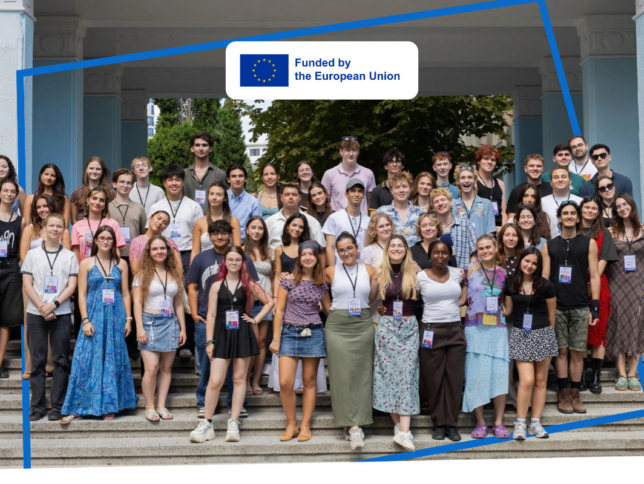
The second International Session of the year gathered around 200 young participants from 35 countries in Niš and Novi Sad (Serbia) to explore Culture and Development Through Decentralisation and Inclusion.

One Story: Fusion of Culture and Development was the theme which motivated around 200 young participants to come together in Serbia for the 105th International Session of the European Youth Parliament (EYP) – also known as FUSION. From 8 to 16 August 2026, they met first in Niš, then transferred to Novi Sad, to talk about topics related to decentralisation and democracy.

Divided into different working groups, participants engaged in deep discussions, collaborative brainstorming, and critical thinking on 12 key topics, each relevant to European society and development. During FUSION we also welcomed several experts, some also alumni of the EYP network, who shared their experience during dedicated slots of the committee discussions.

“Demographic resilience is ultimately about people and the choices they are able to make about their lives and their future. Listening to young people is not just about understanding the future; it is about giving them a meaningful role in shaping it — and creating the conditions for those choices starts with them now.” stated Fabio Losa, UNFPA Regional Adviser for Demographic Resilience and Policy, after his meeting with our young participants.

Taking the input from experts, the young participants finalised their policy proposals, which are now available in the Resolution Booklet. Some of the proposals include:

  • Fostering transparent and accountable rules for joint defence investment: Young Europeans call on EU Member States to consider major decisions concerning direct involvement in foreign conflicts and consider a joint approach before taking military action.
  • Strengthening demographic resilience: Young people propose to encourage migration from non-EU countries by introducing an initiative similar to the EU Blue Card for low- and middle-skilled workers with a selection based on sectoral shortages, vocational experience, and valid employment contracts.
  • Protecting cultural heritage in conflict-affected areas: Participants advocate for expanding existing monitoring mechanisms into a shared, regularly updated database for tracking verified progress in cultural heritage protection and restoration.

“From the beginning, our committee had a strong sense of cooperation and kindness. As we tackled the multi-layered topic of building demographic resilience within the EU, we grew even closer. In the end, when our resolution passed, I was so proud of us as a group. That was a real sense of accomplishment that I hadn’t felt in a long time.” said Efe Kaan, a young participant from Türkiye.

Beyond the academic content, participants experienced the fusion of cultures that the theme points to across two host cities, each with its own history and influences. In each of the cities, they got to enjoy some cultural programming, getting insight into multiple aspects of Serbian culture, such as a city tour through Niš, and a visit to the Petrovaradin fortress in Novi Sad. With 35 nationalities in the room, participants also shared their own traditions at the Euroconcert, an evening of music, dance, and performances from across the network.

This project would not have been possible without the dedication of the National Organising Committee, EYP Serbia, and the many volunteers who worked tirelessly to create a memorable experience for all participants: Pavle Pavković and Mina Rakić as Head Organisers, Leila Debiasi as President and João Lopes as Editor, together with their respective teams. Their dedication shaped the vision of the event and made it a memorable one for all participants. Thank you to everyone who made FUSION 2026 possible!

The International Session in Niš and Novi Sad was made possible by the partners who supported this event: the Erasmus+ programme of the European Union, Visegrad Fund, Hertie Foundation, E.ON Foundation, UNFPA, and the College of Europe, notable local partners include Ardagh Group and the Divac Foundation.