New Toolkits on Urban Climate Resilience
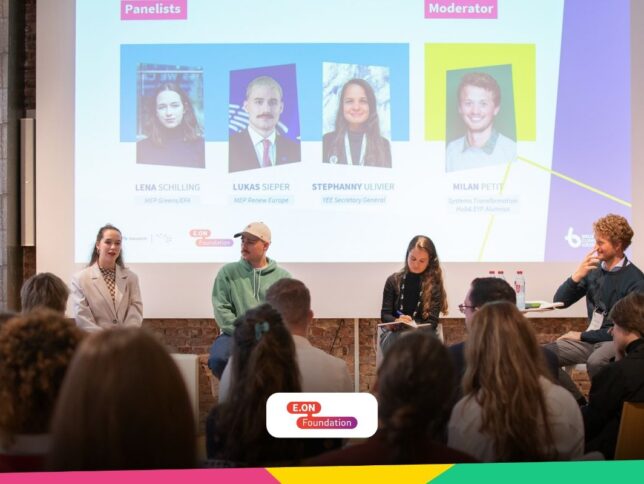
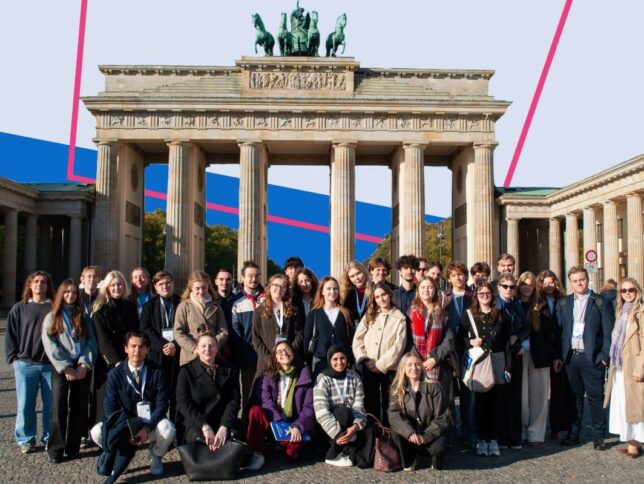
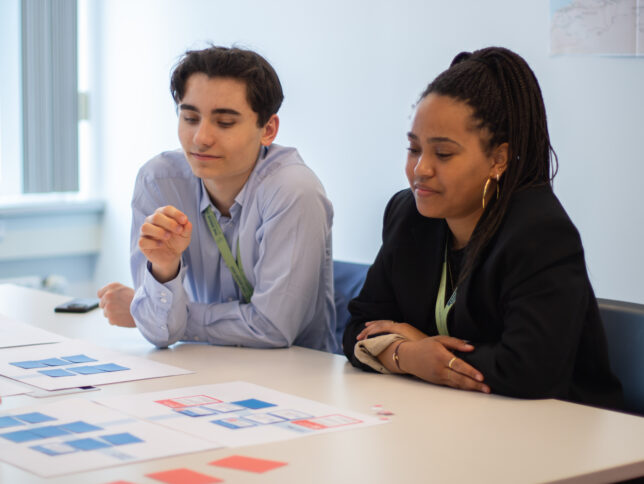
As part of the Youth for Resilient Cities and Urban Environments (Y-RESCUE) project, we are happy to share four educational toolkits focusing on urban climate resilience and youth action.

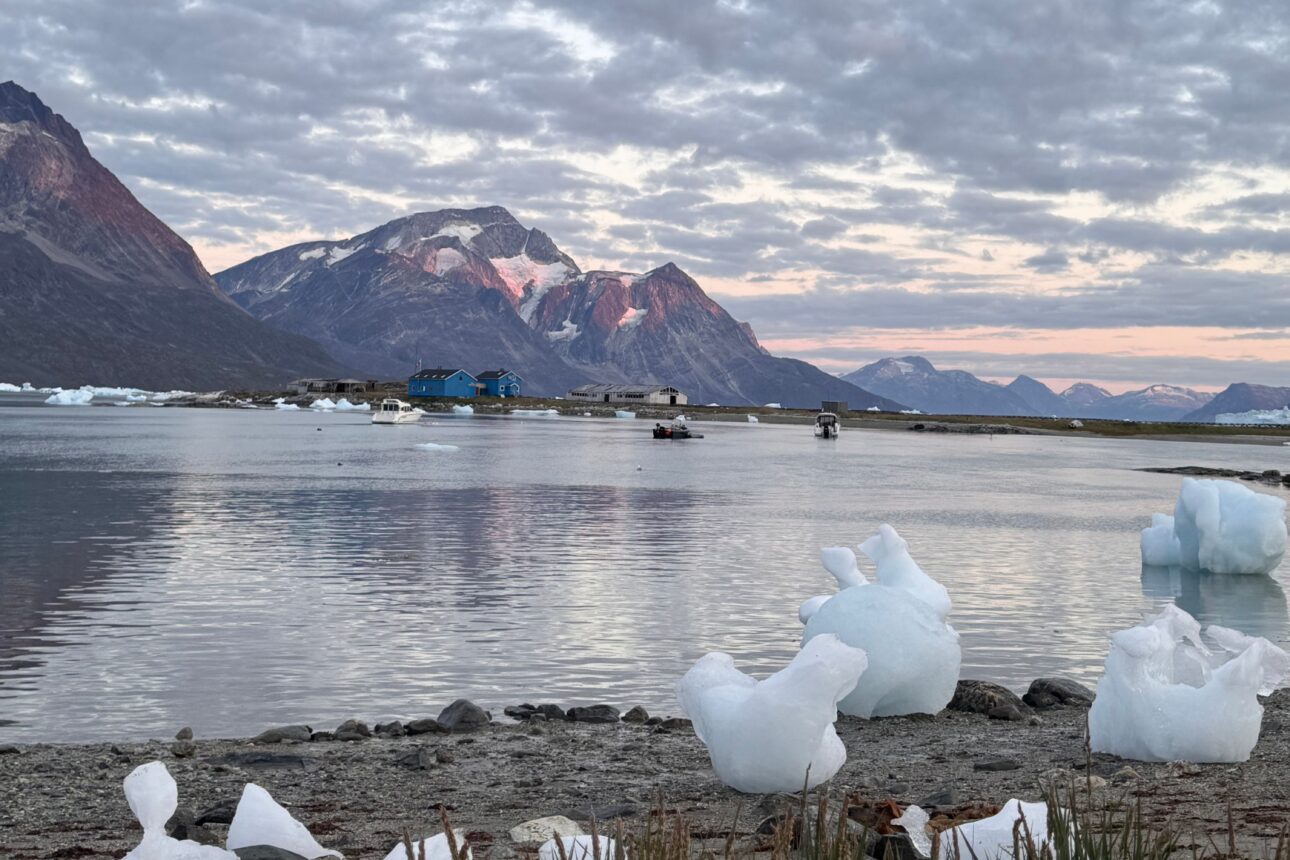
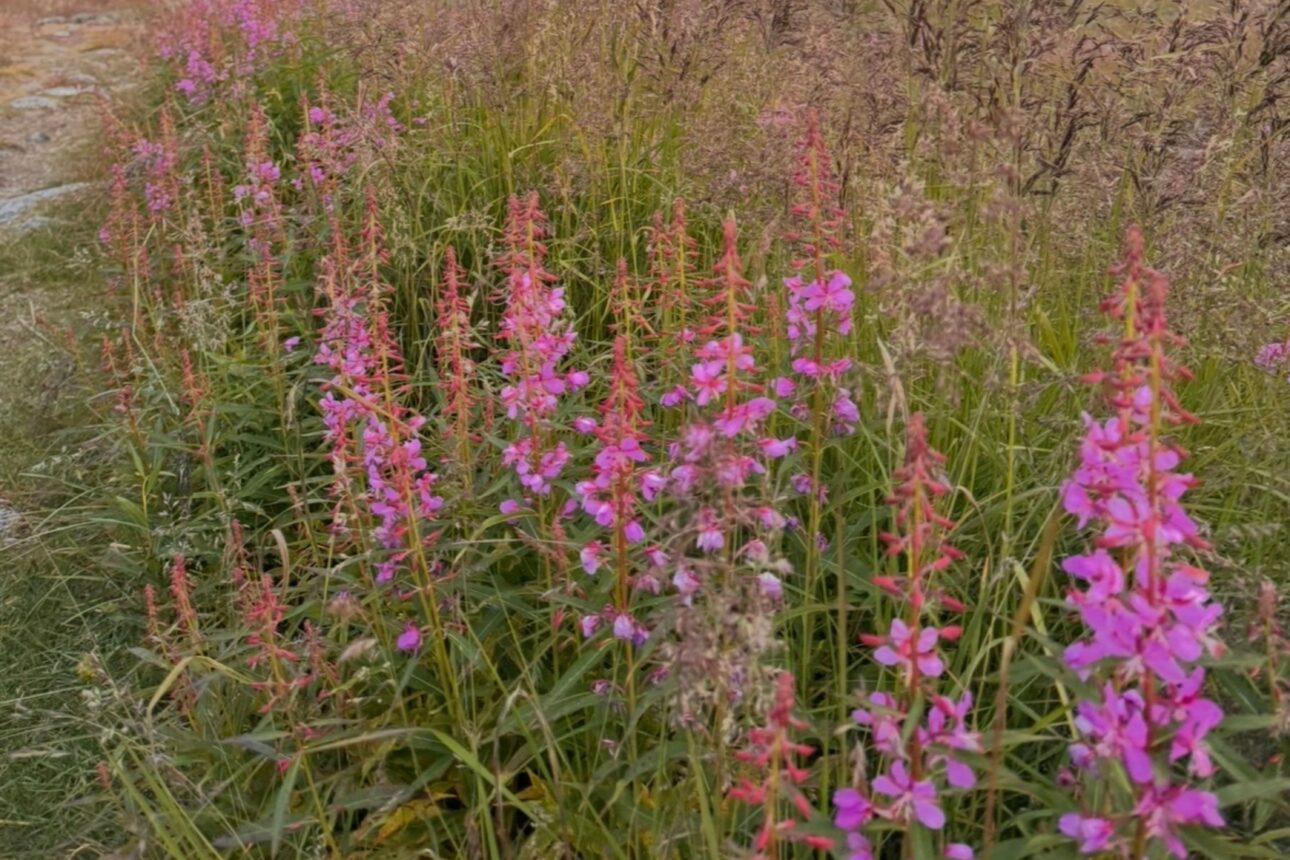
The Arctic is more than a landscape. For many indigenous communities, nature is closely connected to everyday life, identity, knowledge and culture. The land and sea provide food and carry knowledge about animals, plants, seasons and the environment. Biodiversity is therefore not only about protecting nature, but also about protecting the relationships between people and the places they call home.
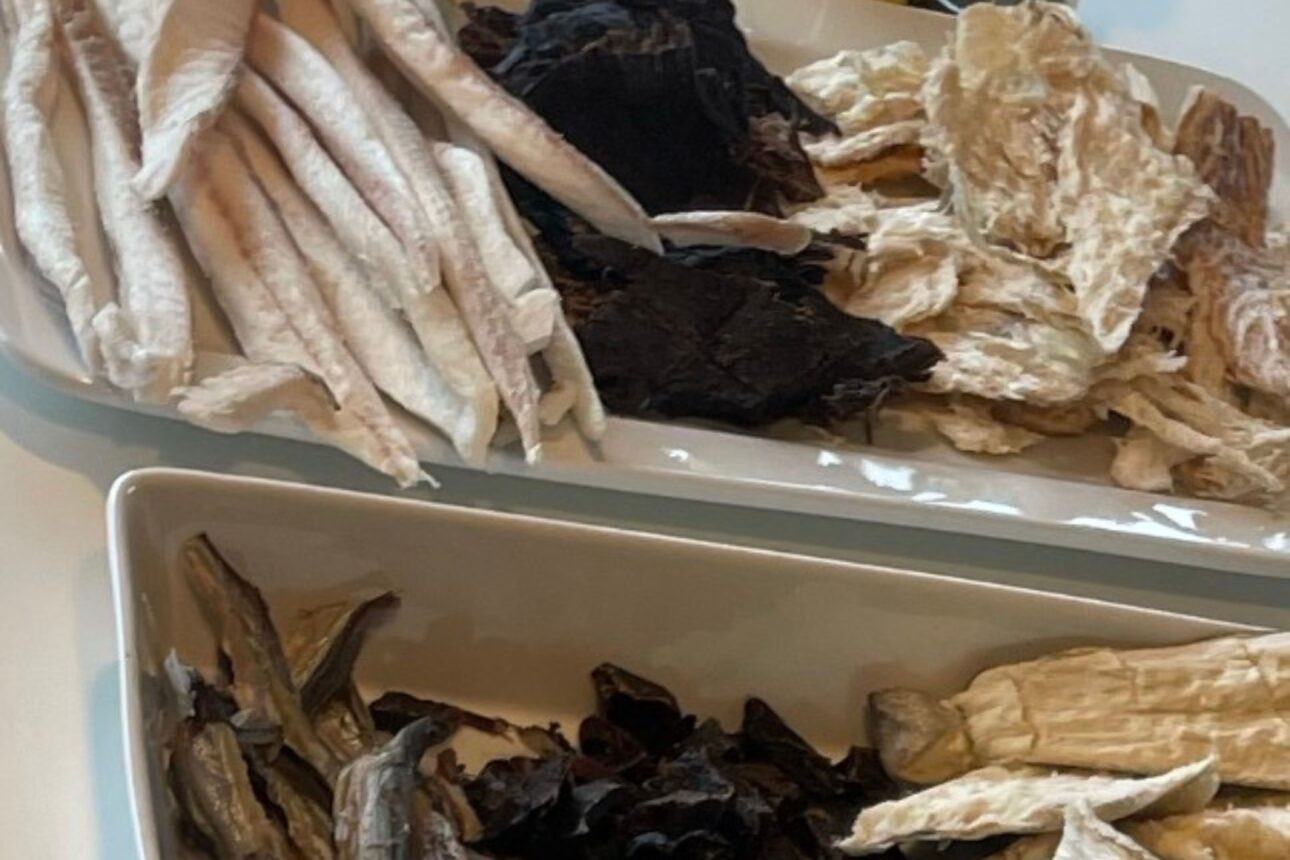
Food connects people to nature, culture and community. Local and traditional foods can provide nutrition while carrying knowledge and traditions between generations. Food security in Arctic communities is therefore not only about having enough food, but also about access to food that is affordable, nutritious, local and culturally meaningful, while supporting local communities.
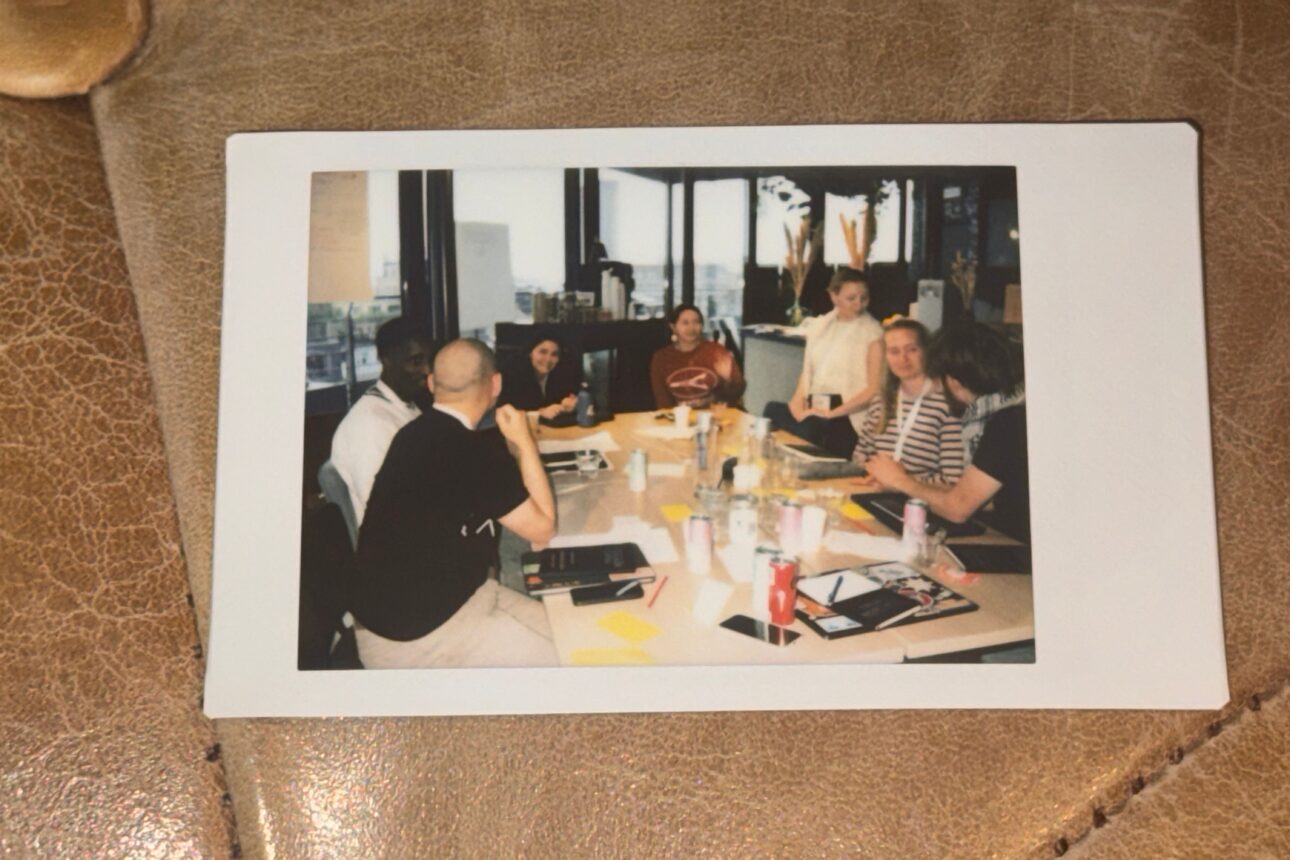
-Inspired by discussions at Arctic Youth Dialogue
Mental health is not only about illness or treatment. Wellbeing can also come from feeling to connected to family, community, culture and nature. The One Health perspective shows how human wellbeing is connected to the environment and the communities around us. In Arctic communities, belonging and connection can be an important part of mental wellbeing.
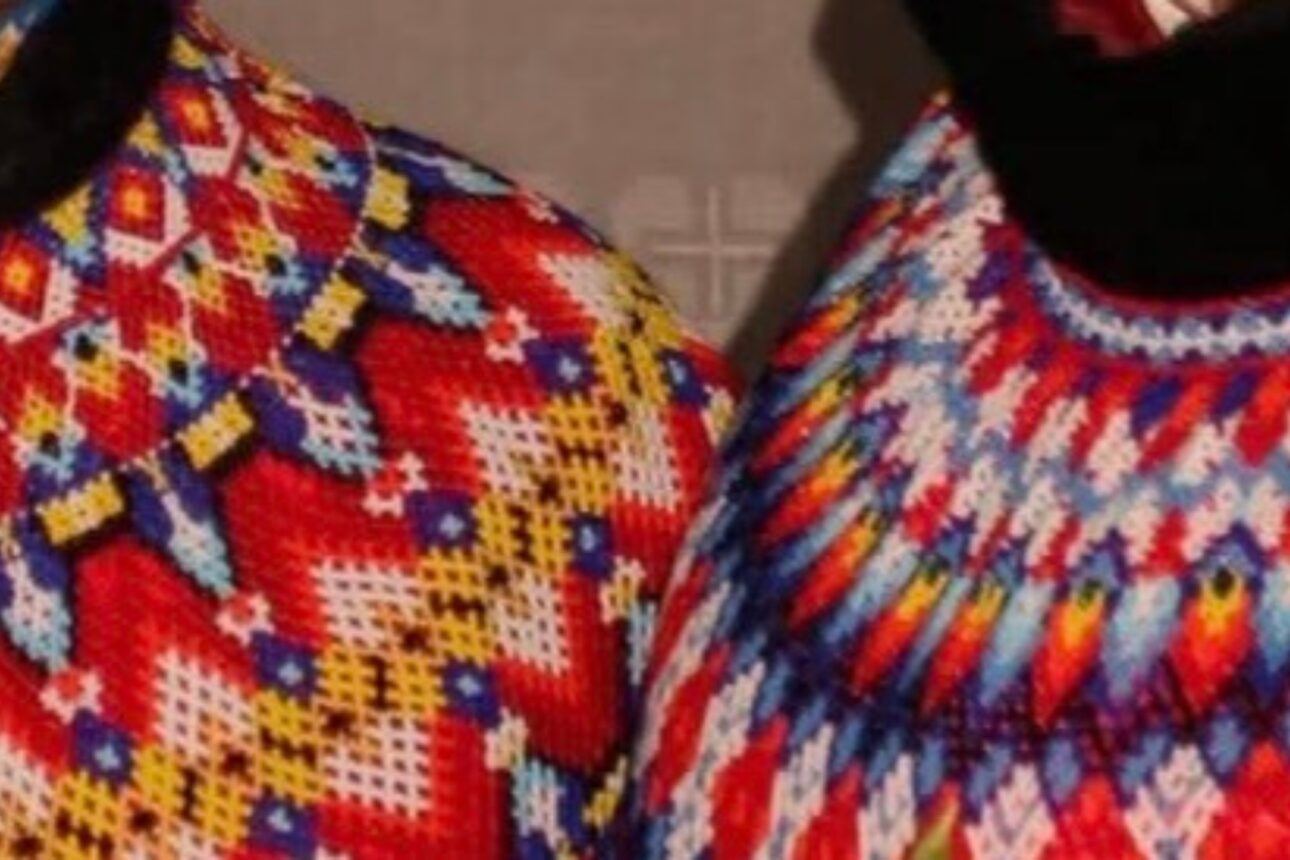
Indigenous language is more than a way of communicatin. It can carry storie, knowledge, history and identity from one generation to another. Keeping a language alive can therefore also mean keeping culture alive. When young people learn and use their Indigenous language, they become part of continuing something that began long before them.
For Arctic communities, geography can have a major influence on everyday life. Access to healthcare, education and mental health services can depend on transportation, weather, infrastructure and distance. But access is not only about reaching a service. It can also mean being able to receive support in a way that respects people’s language, culture and needs.
Arctic nature ans biodiversity is important, but environmental protection also raises questions about rights and power. Who decides what should be protected, and who gets to decide how the land used? The idea of green colonialism asks us to consider whether environmental projects can exclude Indigenous people from decisions about their own land and future. What do you hope the Arctic will look like in the future?
Created by Sara Brandt-Geisler
–
This publication is part of the EU-funded Youth Together for Arctic Futures project. The project is led by the WWF Global Arctic Programme, in cooperation with the Arctic Youth Network, European Youth Parliament, Saami Council, Arctic Mayors’ Forum, Tromsø Kommune, University of Tromsø, and the Association of Polar Early Career Scientists. This publication was funded by the European Union. Its contents are the sole responsibility of the European Youth Parliament and partners and do not necessarily reflect the views of the European Union.